
 By Source
 More Famous Artists
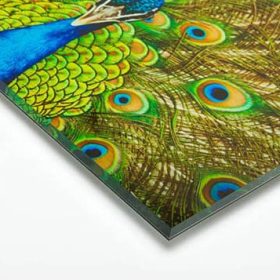 Acrylic (1/8, 1/4, 1/2″)
 Acrylic Blocks (1″)
 Bamboo
 Chromaluxe Metal
 Canvas
 Premium Photo Prints
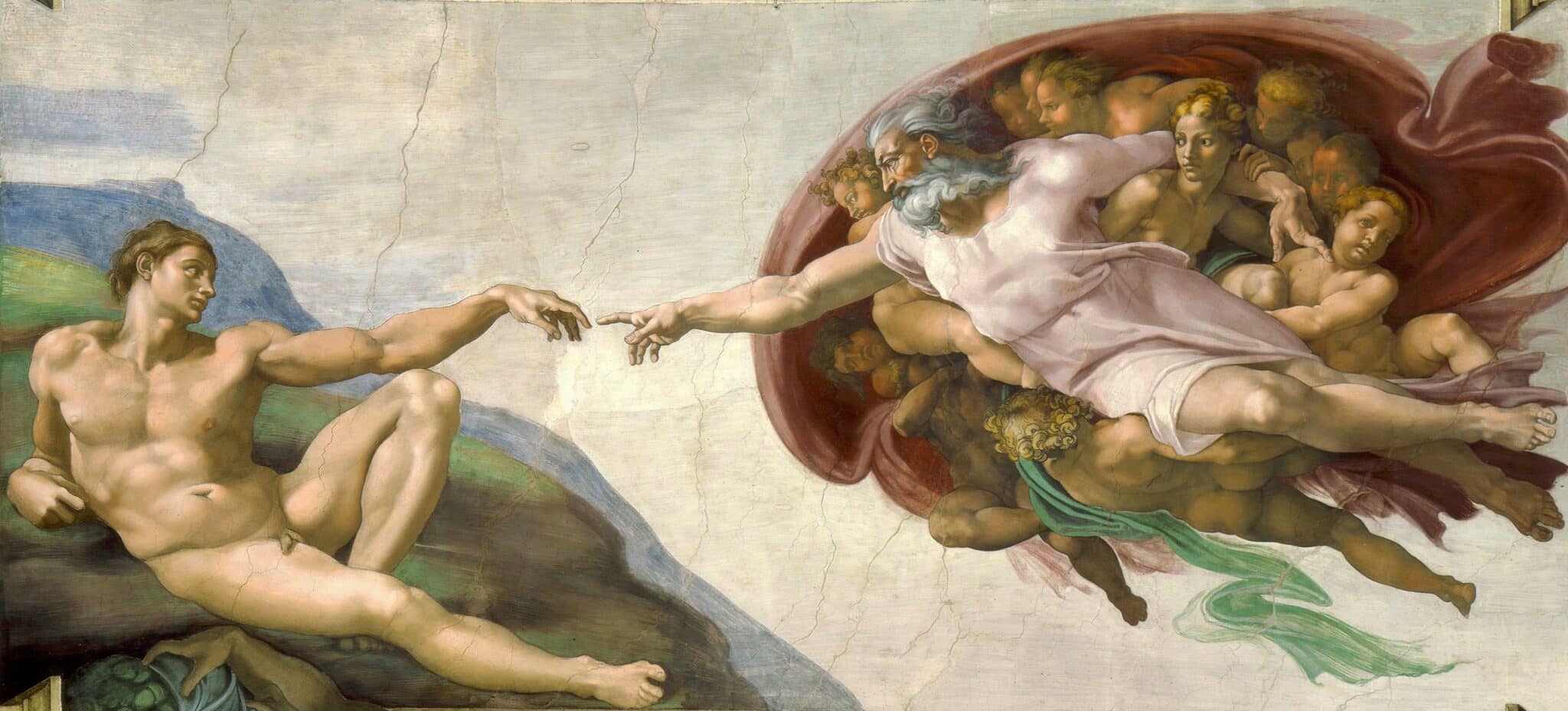
Creation of Adam
[artplacer gallery="790" dimensions_standard="wxh" type="2" resizable="true" frames="false" rotate="false" catalog="false" space="73591" additional_spaces="73591,51548,117411,117390,116409,116383,117319,44882" text="View Art On A Wall" button_width="auto" bgcolor="#D7A51A" bordercolor="#D7A51A" fontcolor="#ffffff"]
Handcrafted In Seattle, Gallery Quality
Ready To Hang
Happiness Guaranteed
Wall Art Specs
- All art is handcrafted in Seattle and is gallery quality
- The sizes you can order online are based on the aspect ratio with no cropping. Contact us if you need a custom size not offered.
- Highest quality materials used including inkjet pigment inks for the longest lasting prints (note: Chromaluxe uses dye sublimation process).
- Comes ready to hang with wire (we provide quick hang hook) or french cleat and floats of the wall 3/4" for a modern, floating appearance.
Production & Shipping
- Most orders arrive within 2 weeks - a bit less for West Coast, bit more for East Coast
- Rush production and shipping options available
- Packages are nearly bullet proof with professional art packaging.. but if something goes wrong every package is insured and you receive a replacement right away.
Image ID: 71427942
Michelangelo’s “The Creation of Adam” is one of the most iconic frescoes in the Sistine Chapel, Vatican City, painted between 1508 and 1512 as part of the chapel’s ceiling. Commissioned by Pope Julius II, the project involved covering the vast ceiling with scenes from the Book of Genesis, demonstrating the grandeur and complexity of God’s creation.
“The Creation of Adam” is a central panel in this series, depicting the biblical story of God giving life to Adam, the first man. The fresco is celebrated for its dynamic composition and the powerful depiction of the moment of creation. God, surrounded by angels, reaches out to touch Adam’s outstretched hand, a scene symbolizing the divine spark of life. The near-touching hands have become an enduring symbol of humanity’s relationship with the divine.
Michelangelo’s work on the Sistine Chapel ceiling was physically demanding and required him to paint on scaffolding while lying on his back, an effort that took four years to complete. The fresco’s anatomical precision and expressive power highlight Michelangelo’s mastery of the human form and his profound understanding of human emotion and spirituality. “The Creation of Adam” remains a cornerstone of Renaissance art and a testament to Michelangelo’s artistic genius.
Related products

Michelangelo

Michelangelo