
 By Source
 More Famous Artists
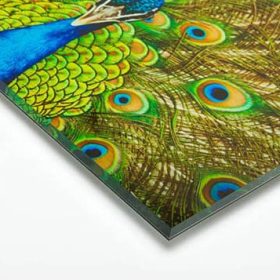 Acrylic (1/8, 1/4, 1/2″)
 Acrylic Blocks (1″)
 Bamboo
 Chromaluxe Metal
 Canvas
 Premium Photo Prints
Like this art? We appreciate you sharing!
The Anatomy lesson of Dr Nicolaes Tulp

AI Image Enhancement Included
Handcrafted In USA, Gallery Quality, Ready To Hang
100% Happiness Guaranteed
Wall Art Details (Acrylic, Metal, Canvas, Bamboo & More)
- All art is handcrafted in USA and is gallery quality
- Highest quality materials used including inkjet pigment inks for the longest lasting prints (note: Chromaluxe uses dye sublimation process).
- Comes ready to hang with wire (we provide quick hang hook) or french cleat and floats of the wall 3/4" for a modern, floating appearance.
- All art is handcrafted in USA and is gallery quality
- Highest quality materials used including inkjet pigment inks for the longest lasting prints (note: Chromaluxe uses dye sublimation process).
- Comes ready to hang with wire (we provide quick hang hook) or french cleat and floats of the wall 3/4" for a modern, floating appearance.
Production & Shipping
- Most orders arrive within 2 weeks - a bit less for West Coast, bit more for East Coast
- Rush production and shipping options available
- Packages are nearly bullet proof with professional art packaging.. but if something goes wrong every package is insured and you receive a replacement right away.
Rembrandt’s “The Anatomy Lesson of Dr. Nicolaes Tulp,” painted in 1632, is a masterful depiction of a 17th-century public dissection, capturing a pivotal moment in medical history. The painting centers on Dr. Tulp, a renowned physician, as he demonstrates the dissection of a cadaver to a group of fascinated surgeons. Rembrandt’s use of chiaroscuro highlights Dr. Tulp and the open anatomy book, drawing the viewer’s attention to the intersection of scientific inquiry and artistic expression. Each observer’s expression and posture convey a sense of curiosity and attentiveness, reflecting the era’s growing interest in human anatomy and the pursuit of knowledge. The composition’s realism and the detailed rendering of the figures make it one of Rembrandt’s most celebrated works, showcasing his ability to blend science and art seamlessly.
Related products

Rembrandt van Rijn

Rembrandt van Rijn

Rembrandt van Rijn

Rembrandt van Rijn

Rembrandt van Rijn

Rembrandt van Rijn

Rembrandt van Rijn

Rembrandt van Rijn

Rembrandt van Rijn

Rembrandt van Rijn
