
 By Source
 More Famous Artists
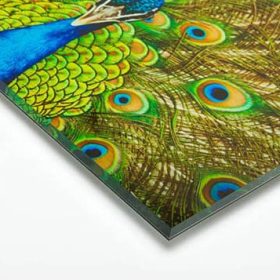 Acrylic (1/8, 1/4, 1/2″)
 Acrylic Blocks (1″)
 Bamboo
 Chromaluxe Metal
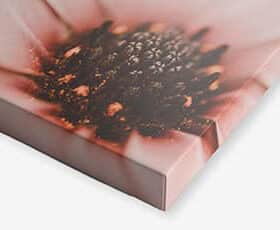 Canvas
 Premium Photo Prints
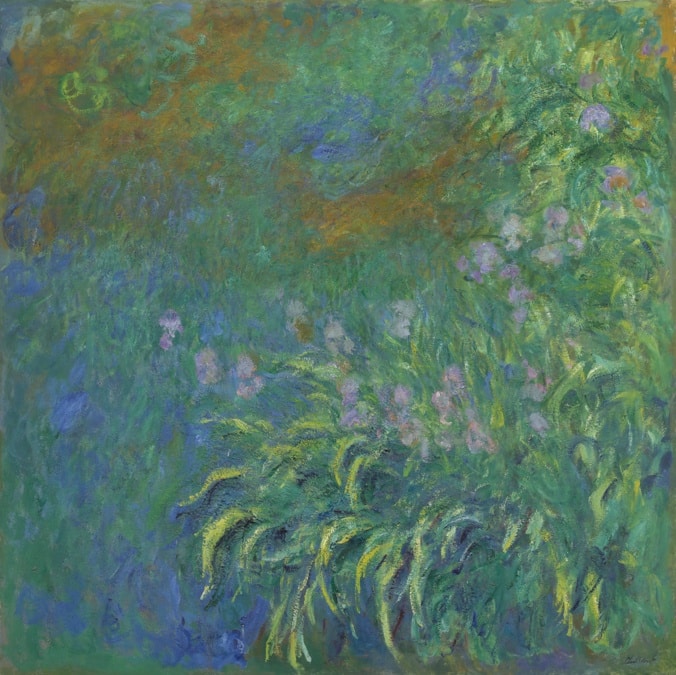
Irises
[artplacer gallery="790" dimensions_standard="wxh" type="2" resizable="true" frames="false" rotate="false" catalog="false" space="73591" additional_spaces="73591,51548,117411,117390,116409,116383,117319,44882" text="View Art On A Wall" button_width="auto" bgcolor="#D7A51A" bordercolor="#D7A51A" fontcolor="#ffffff"]
Handcrafted In Seattle, Gallery Quality
Ready To Hang
Happiness Guaranteed
Wall Art Specs
- All art is handcrafted in Seattle and is gallery quality
- The sizes you can order online are based on the aspect ratio with no cropping. Contact us if you need a custom size not offered.
- Highest quality materials used including inkjet pigment inks for the longest lasting prints (note: Chromaluxe uses dye sublimation process).
- Comes ready to hang with wire (we provide quick hang hook) or french cleat and floats of the wall 3/4" for a modern, floating appearance.
Production & Shipping
- Most orders arrive within 2 weeks - a bit less for West Coast, bit more for East Coast
- Rush production and shipping options available
- Packages are nearly bullet proof with professional art packaging.. but if something goes wrong every package is insured and you receive a replacement right away.
Approximately six and a half feet square, Irises is one of a series of large paintings Claude Monet undertook during World War I experimenting with familiar motifs on an ever-expanding scale. Lacking a discernible horizon or clear sense of depth, the viewer is both on top of and submerged in this encrusted and disorienting surface, suggestive of water, on which various vegetal and floral forms float.
Together with other related canvases, this work remained in the artist’s Giverny studio long after his death in 1926 and was only rediscovered in the 1950s, having suffered localized damage by shrapnel from shells during World War II. In 1956 the Art Institute’s pioneering curator of modern art, Katherine Kuh, bought this painting from Katia Granoff’s gallery in Paris. Kuh recognized a formal affinity between Monet’s late experimental painting and the public’s growing interest in large-scale, abstract works like those by Jackson Pollock, whose Greyed Rainbow entered the Art Institute’s collection in 1955.
Claude Monet’s painting of irises demonstrates his iconic Impressionist style, depicting the rich natural beauty of the flowers. Painted in 1914-1917 during Monet’s time at Giverny, this artwork is part of a series exploring the artist’s garden. Monet’s brushwork and vibrant color palette capture the essence of the irises in bloom, reflecting his passion for the interplay of light and nature’s forms. The painting emphasizes texture and movement, typical of Monet’s late period, and contributes to his legacy as a master of capturing the ephemeral beauty of nature.
Related products

Santiago Tur

Susan Newbold

Richard Barnard
Claude Monet

Depositphotos
Claude Monet

Dana Carson Photography - Prints On Acrylic, Metal, Wood & More

Santiago Tur
Richard Barnard